
Preventable Medical Errors Continue to Injure and Kill New Mexico Patients Every Year
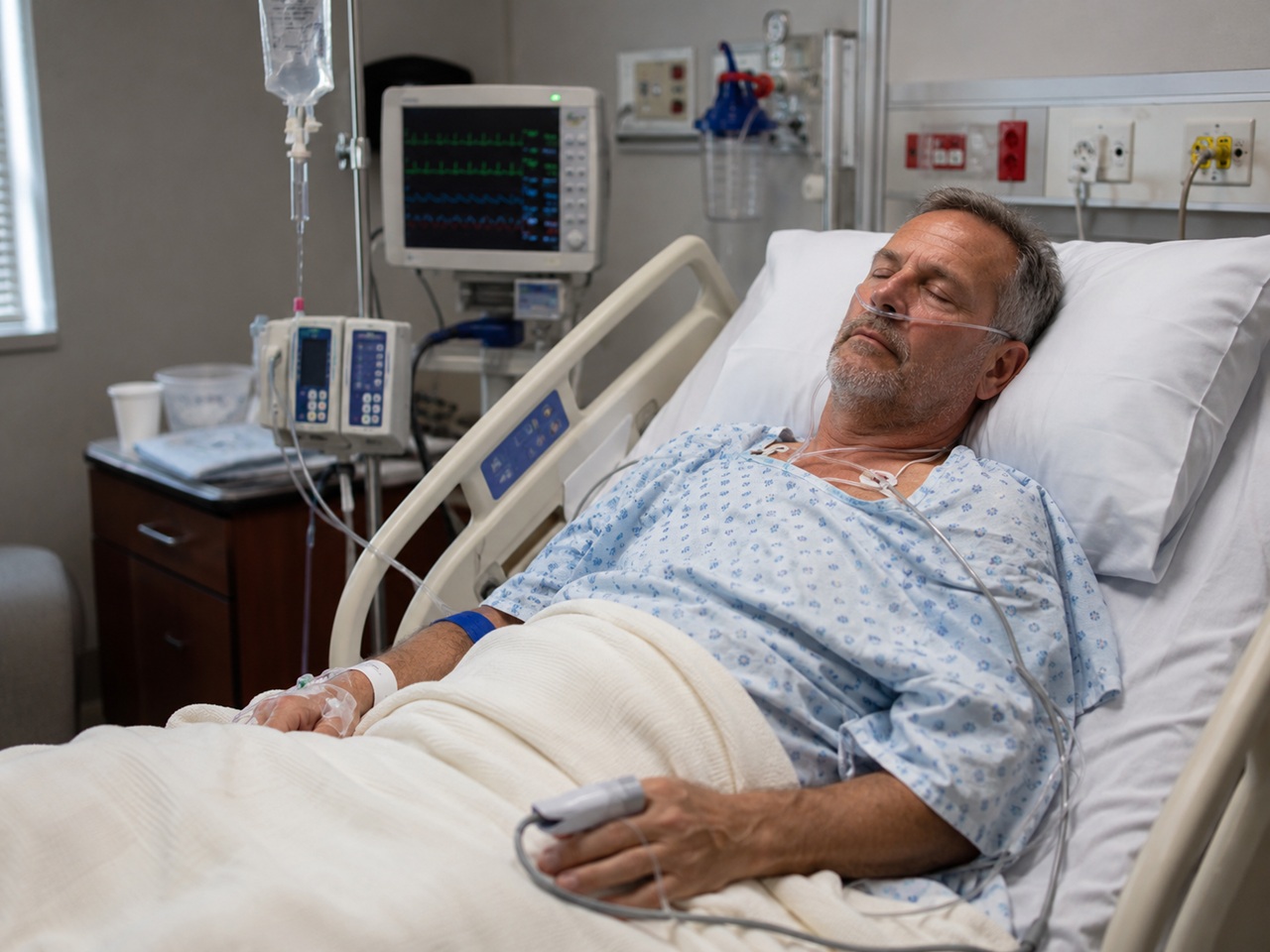
Medical Malpractice Can Leave New Mexico Patients Searching For Answers
Every year, patients across New Mexico enter hospitals, clinics, emergency rooms, surgical centers, and medical offices expecting safe and appropriate care. In many cases, they receive it. But when preventable medical errors happen, the consequences can be devastating.
The Agency for Healthcare Research and Quality says medical errors can occur anywhere in the healthcare system, including hospitals, clinics, surgery centers, doctors’ offices, nursing homes, pharmacies, and patients’ homes. Errors may involve medicine, surgery, diagnosis, equipment, lab reports, or communication failures.
When a healthcare provider’s failure to meet accepted medical standards causes serious harm, the patient may have a medical malpractice claim. At Szantho Law Firm, attorney Andras Szantho represents patients and families throughout Albuquerque, Santa Fe, and communities across New Mexico when preventable medical mistakes lead to serious injury or wrongful death.
Medical Malpractice Requires More Than A Bad Outcome
A preventable medical error is a mistake that could have been avoided with proper care, attention, communication, or adherence to accepted medical standards. But not every bad outcome is malpractice. Medicine involves risk, and some complications happen even when providers act carefully.
A medical malpractice case usually requires proof that a healthcare provider owed a duty of care, breached the accepted standard of care, caused harm, and left the patient with measurable losses. That’s why these cases often turn on medical records, treatment timelines, expert review, and a careful comparison between what happened and what a reasonably careful provider should have done.
Preventable medical errors can happen in hospitals, surgical centers, emergency rooms, nursing facilities, doctors’ offices, pharmacies, and other healthcare settings. Common examples include:
- Misdiagnosis Or Delayed Diagnosis: A serious illness may be missed, diagnosed too late, or treated as the wrong condition.
- Surgical Mistakes: A preventable operating room error can cause permanent injury, additional procedures, or death.
- Medication Errors: A patient may receive the wrong medication, wrong dosage, wrong instructions, or a dangerous drug combination.
- Anesthesia Errors: Improper dosing, monitoring failures, or delayed response to complications can cause catastrophic harm.
- Birth Injuries: Mistakes during pregnancy, labor, delivery, or newborn care can change a child’s life before it truly begins.
- Failure To Order Appropriate Tests: Missing lab work, imaging, or follow-up testing can delay treatment when timing matters.
- Poor Communication Between Providers: Incomplete handoffs, missed test results, and unclear instructions can put patients at risk.
When these mistakes occur, patients may face worsening medical conditions, unnecessary procedures, prolonged recovery, permanent injury, or irreversible harm.
Some Medical Errors Have Life-Changing Consequences
Even one medical mistake can alter the course of a person’s life. A delayed diagnosis may allow cancer, infection, stroke, internal bleeding, or another serious condition to progress. A medication error may cause an overdose, allergic reaction, organ damage, or dangerous interaction. A surgical mistake may require another operation and months of rehabilitation.
Patients harmed by preventable medical errors may face:
- Permanent disability
- Chronic pain
- Brain injuries
- Spinal cord injuries
- Loss of mobility
- Additional surgeries
- Extended hospitalization
- Lost income
- Emotional trauma
- Wrongful death
In the most serious cases, families are left grieving while trying to understand how the error happened and whether it should have been prevented.
Diagnostic Errors Can Delay Critical Treatment
One of the most dangerous types of medical error is a missed or delayed diagnosis. When a provider fails to recognize a serious condition, the patient may lose valuable treatment time.
AHRQ says diagnostic errors occur in all settings of care, and it estimates that 795,000 Americans become permanently disabled or die each year because of disease misdiagnoses. Those errors can involve individual judgment, system failures, poor communication, incomplete follow-up, or test results that never reach the right person.
Diagnostic errors can be especially harmful in cases involving:
- Cancer
- Stroke
- Heart attack
- Infections
- Sepsis
- Blood clots
- Internal bleeding
Early diagnosis is often critical. A delay can mean the difference between effective treatment and permanent injury.
Medication Mistakes Can Cause Serious Harm
Medication errors can happen at nearly every stage of patient care, from prescribing and dispensing to administration and monitoring. A patient may be harmed because the provider chose the wrong medication, ordered the wrong dose, failed to check allergies, overlooked drug interactions, or did not monitor the patient’s response.
These mistakes can happen in hospitals, pharmacies, nursing facilities, outpatient clinics, and doctors’ offices. They can also happen after discharge if instructions are unclear or medication lists are not reconciled properly.
Examples include:
- Wrong Medication: The patient receives a drug that was not intended for them or not appropriate for their condition.
- Wrong Dosage: Too much or too little medication can create serious complications.
- Wrong Patient: Medication intended for one person is given to someone else.
- Dangerous Interactions: Providers fail to recognize that two or more medications should not be taken together.
- Allergy Failures: A known allergy is missed or ignored.
- Poor Monitoring: Providers fail to respond when a patient shows signs of a bad reaction.
When a medication mistake causes injury, the investigation should look at every step in the process. A doctor, nurse, pharmacist, hospital, or facility may have contributed to the harm.
Surgical Errors Can Cause Permanent Damage
Surgery carries risk, but patients should not suffer because a provider failed to follow accepted medical standards. Preventable surgical mistakes can happen before, during, or after an operation.
AHRQ’s Patient Safety Network discusses wrong-site, wrong-procedure, and wrong-patient surgery as serious patient safety events. Surgical malpractice can also involve planning failures, poor communication, anesthesia mistakes, organ or nerve damage, and inadequate post-operative monitoring.
Examples of surgical errors include:
- Operating on the wrong body part
- Performing the wrong procedure
- Leaving surgical instruments or sponges inside the patient
- Damaging nearby organs, nerves, or blood vessels
- Administering anesthesia improperly
- Failing to recognize or respond to surgical complications
- Providing inadequate post-operative monitoring or follow-up care
Some surgical mistakes result in permanent disability or wrongful death, leaving families to cope with emotional and financial hardships that could have been avoided.
Why Medical Malpractice Cases Are So Complicated
Medical malpractice claims are often more complicated than other personal injury cases because the injury has to be connected to a specific breakdown in medical care. It’s not enough to show that the patient got worse. The case has to show how the provider’s choices fell below the accepted standard of care and how that failure caused harm.
That often requires a detailed review of medical records, test results, medication orders, imaging, discharge instructions, nursing notes, provider communications, and expert medical opinions. Hospitals, insurers, and defense lawyers also move quickly to protect themselves when a serious medical error is alleged.
New Mexico malpractice cases can also involve strict filing rules. Under NMSA § 41-5-13, claims against health care providers under the Medical Malpractice Act generally must be filed within three years after the act of malpractice occurred, with specific extensions for minors and incapacitated persons. Deadlines can be complicated, so patients should get legal advice quickly instead of guessing about how much time they have.
What Patients Should Do After A Suspected Medical Error
If you believe you or a loved one was injured because of a preventable medical error, acting quickly can protect both your health and your legal rights.
- Keep Getting Medical Care: Continue following your treatment plan and seek additional care if symptoms worsen or new problems appear.
- Request Your Medical Records: Get copies of records, imaging, lab results, medication lists, discharge instructions, and provider notes.
- Write Down What Happened: Record dates, symptoms, conversations, names of providers, and the timeline while details are still fresh.
- Save Expense Records: Keep bills, prescriptions, travel receipts, missed-work records, and documentation of new medical needs.
- Do Not Sign Too Quickly: Avoid accepting a settlement, signing releases, or making formal statements before understanding your rights.
- Talk To A New Mexico Medical Malpractice Attorney: A lawyer can review the records, identify what may have gone wrong, and explain the next steps.
Medical malpractice cases are built from details. The earlier those details are preserved, the stronger the investigation can be.
Attorney Andras Szantho Helps New Mexico Families Pursue Accountability
Preventable medical errors leave patients and families with painful questions. What happened? Why did no one catch it sooner? Was the harm avoidable? Who is responsible?
Attorney Andras Szantho represents patients and families harmed by serious medical mistakes throughout Albuquerque, Santa Fe, and communities across New Mexico. These cases require careful investigation, detailed medical documentation, and a strategy built around accountability.
If you or a loved one suffered serious harm because of a preventable medical error, contact Szantho Law Firm for a free case review. Attorney Szantho can help you pursue the answers and accountability your family deserves.
“I could not be any happier with the professionalism and service I received from Andras and his team. He and his team handled this difficult time with care and respect. I will be recommending this law firm to all my friends and family should they ever need a lawyer.” – Mark D., ⭐⭐⭐⭐⭐